top of page

I Want To Be A Green Olive Tree
4 hours ago
3 min read

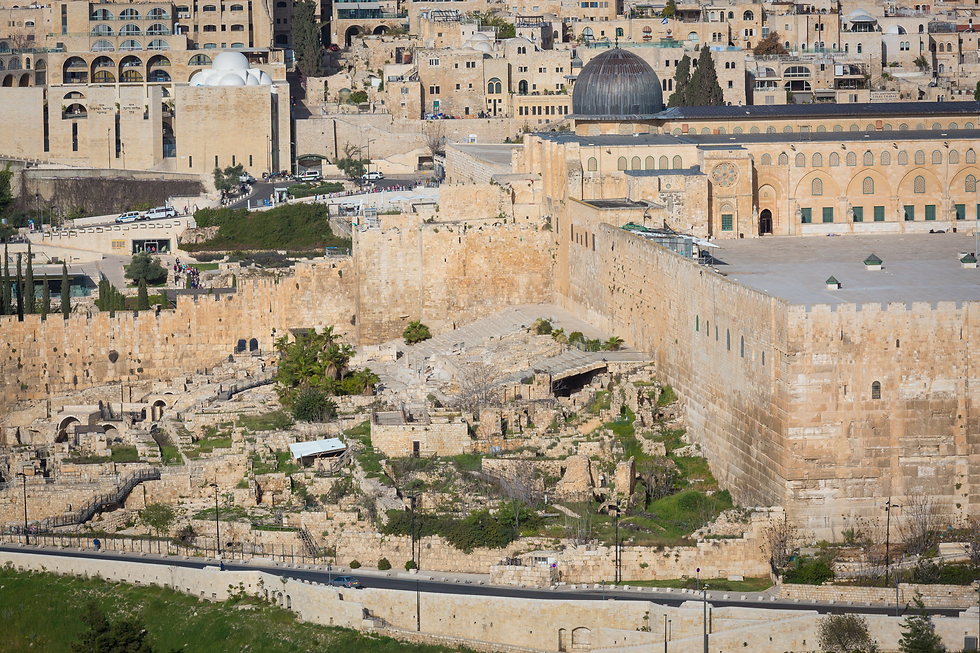
Olive trees continue to grow at the foot of the Mount of Olives, just across the Kidron Valley from the Temple Mount and Jerusalem’s eastern wall. The name Gethsemane comes from the Hebrew gat shemanim, “oil press.” Olives were crushed there under heavy stone to release their oil.

God will handle it! He will deal with the gossiper, the informant, and the evil worker. When the time is right, He will uproot the evildoer and establish His faithful as a “green olive tree in the house of God” (Psalm 52:8).


According to tradition, Psalm 52 was composed by David during one of the darkest moments of his life. Doeg the Edomite, the chief of King Saul’s herdsmen, had informed the treacherous King Saul that the priest Ahimelech had helped David escape Saul’s wrath. Saul then commanded Doeg to murder Ahimelech and all the priests of Nob (1 Samuel 21–22). David, now a fugitive, describes this wicked informant as having a deceitful tongue and as a tree that God will “uproot from the land of the living” (vs. 1-5).
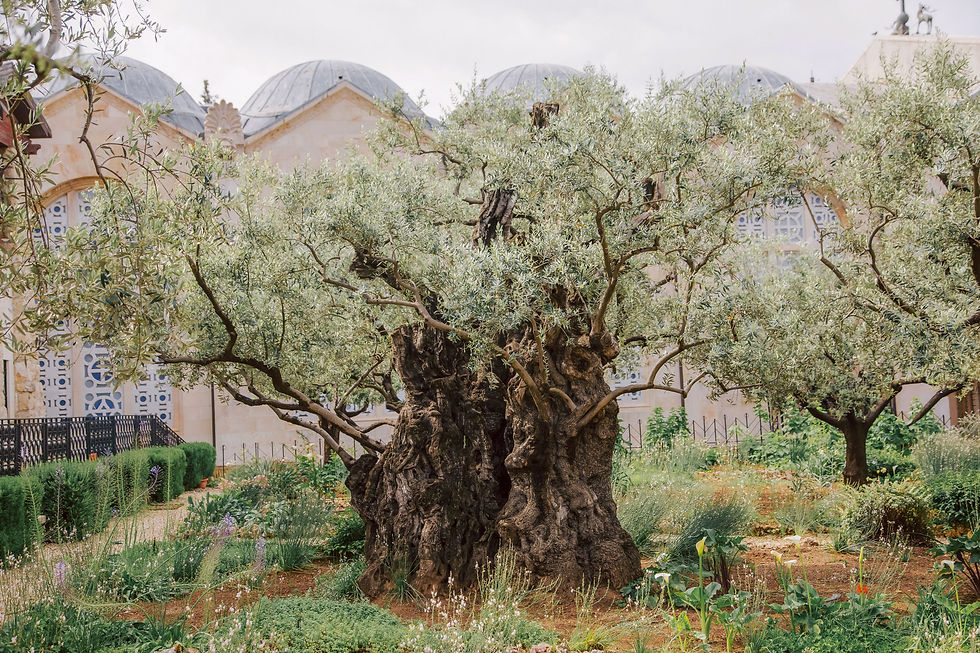

This gnarled olive tree in Gethsemane near the Church of All Nations in Jerusalem has outlasted centuries of storms. The faithful are like it: “a green olive tree in the house of God” (Psalm 52:8). A heart rooted in God’s steadfast love keeps growing quietly and is still standing long after the storms have passed.

In contrast, the author of Psalm 52 says, “But I am like a green olive tree in the house of God; I trust in the steadfast love of God forever and ever” (v. 8). The imagery fits the biblical lands well and makes a powerful connection between fact and faith.


Olive trees stay green all year, live for centuries, and send up new shoots from the roots even after they’ve been cut down. Their oil fueled the lampstand in the sanctuary and was used to anoint priests and kings. It was used for cooking, has medicinal properties, and was used for human consumption to sustain life. It was, and is today, a staple crop in the land of the Bible, with a lifespan longer than other trees, some living beyond a thousand years.


One olive looks small, but it holds oil for light, food, healing, and anointing. A fruitful life is built the same way, one faithful day at a time, by staying rooted in God. Jesus said, “He who abides in Me, and I in him, bears much fruit; for without Me you can do nothing” (John 15:5).

A beautiful image that connects us to the sustaining nature of faith and to the promise of eternal security and love found in God. Indeed, God will uproot evil workers and informants from the land of the living. Those who serve the Lord are “like a green olive tree in the house of God.”


Evil Doeg had stood at the sanctuary (1 Samuel 21:7) but never belonged there. David, on the other hand, while driven from home with no house of his own, says he is planted in God’s house. His security came from where he was rooted, not from where he was standing.


When others speak evil or try to destroy you, always remember that a heart rooted in God’s steadfast love keeps growing quietly, bearing fruit, and will still be standing long after the storms (and our persecutors) that tried to tear it down have passed.


So, be a green Olive tree. Root yourself in God's steadfast love, especially when you are attacked, threatened, or suffering hardship. You will be blessed and fruitful forever.


By John W. Moore


This olive tree grows on the Acropolis in Athens, Greece, beside the west side of the Erechtheion temple, in the area the ancient Greeks called the Pandroseion. The Greeks prized the olive for its lasting value. It gave them food, light, and oil, and it could live for centuries. Athens protected its sacred olive trees by law, and winners at the city’s Panathenaic Games received jars of oil pressed from those trees.


Comments


bottom of page